Managing your money wisely is an essential part of financial stability. One of the most important tools for everyday banking is a checking account. Checking accounts are designed to provide easy access to your money while offering convenience, security, and a range of financial services. Whether you are a student, professional, or retiree, understanding how checking accounts work can help you make better financial decisions.
What is a Checking Account?
A checking account is a type of bank account that allows you to deposit money, withdraw funds, and make payments conveniently. Unlike savings accounts, checking accounts are primarily used for everyday transactions such as paying bills, shopping, and receiving your salary.
Checking accounts often come with a debit card, checks, and online banking facilities, making it easier to manage your finances without carrying cash. Some accounts also offer mobile banking, allowing you to transfer funds, pay bills, and check your balance from your smartphone.
Benefits of a Checking Account
Having a checking account provides several advantages:
- Easy Access to Money: Withdraw cash anytime from ATMs or make purchases using your debit card.
- Convenient Bill Payments: Pay bills online or set up automatic payments.
- Secure Transactions: Protects your money compared to carrying cash.
- Track Spending: Online banking helps monitor your spending habits and manage budgets effectively.
- Direct Deposits: Receive salary or government benefits directly into your account.
Types of Checking Accounts
There are several types of checking accounts to meet different needs:
- Basic Checking Account: Offers essential features for everyday banking, usually with low or no fees.
- Interest-Bearing Checking Account: Earns interest on your balance, though rates are typically lower than savings accounts.
- Student Checking Account: Designed for students with minimal fees and low minimum balance requirements.
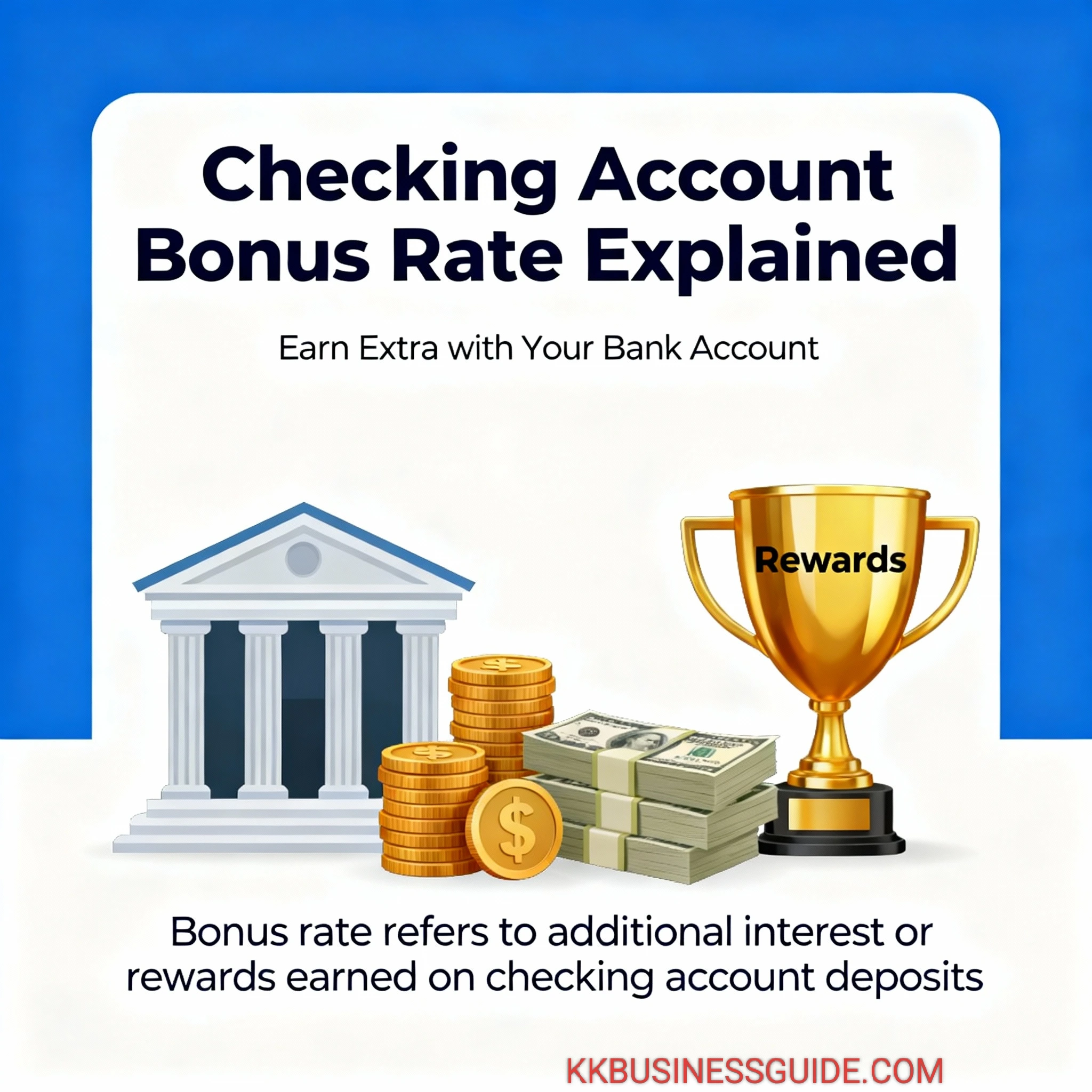
- Premium or Rewards Checking: Offers extra perks like higher interest, cashback, or rewards points.
How to Open a Checking Account
Opening a checking account is a straightforward process:
- Choose a bank or credit union that meets your needs.
- Gather necessary documents such as a government ID, proof of address, and Social Security Number.
- Decide on the type of account that suits your financial habits.
- Deposit the required minimum amount if applicable.
- Activate your debit card and set up online banking for easy access.
Fees Associated with Checking Accounts
While checking accounts offer convenience, some may come with fees. Common fees include:
- Monthly Maintenance Fee: A fee charged every month for account management.
- Overdraft Fee: Charged when you spend more than your available balance.
- ATM Fees: Fees for using ATMs outside the bank’s network.
- Minimum Balance Fee: If your account falls below a specified balance.
Many banks offer fee-free accounts or ways to waive fees, such as maintaining a minimum balance or setting up direct deposit.
Checking Account vs. Savings Account
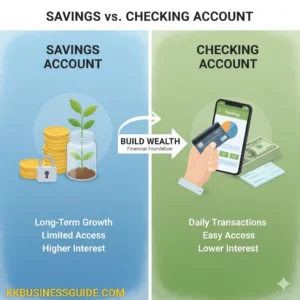
Many people confuse checking accounts with savings accounts. Here’s a simple comparison:
| Feature | Checking Account | Savings Account |
|---|---|---|
| Purpose | Daily transactions and bill payments | Saving money for future needs |
| Access | Frequent withdrawals and payments | Limited withdrawals (to encourage saving) |
| Interest | Low or none | Earns higher interest |
| Fees | Possible monthly or overdraft fees | May charge fees for excessive withdrawals |
Tips for Managing a Checking Account
- Keep track of your balance to avoid overdrafts.
- Use online banking to monitor transactions regularly.
- Set up alerts for low balances or large withdrawals.
- Reconcile your account monthly to ensure all transactions are accurate.
- Choose a bank with convenient ATMs and online services.
By understanding how checking accounts work and using them wisely, you can improve your financial management and make everyday banking easier.
How to Choose the Best Checking Account
Choosing the right checking account depends on your lifestyle, financial habits, and banking needs. Here are some key factors to consider:
- Fees: Look for accounts with low or no monthly maintenance fees. Some banks waive fees if you set up direct deposit or maintain a minimum balance.
- Minimum Balance Requirements: Ensure the required balance fits your financial situation to avoid unnecessary charges.
- Interest Rates: If you want to earn interest, compare rates for interest-bearing accounts. High-yield checking accounts often offer better returns.
- ATM Access: Check if the bank has a large network of ATMs, or if it reimburses fees for out-of-network ATM usage.
- Convenience: Consider online banking features, mobile apps, and branch locations for easy access.
- Customer Service: Research reviews for helpful customer support in case of issues with your account.
- Additional Perks: Some banks offer rewards, cashback, or discounts on financial products.
Online and Mobile Banking
Modern checking accounts come with robust online and mobile banking features that make managing money easier than ever:
- Account Management: Check balances, view statements, and monitor transactions anytime.
- Bill Payments: Pay utility bills, rent, or credit cards directly from your account.
- Money Transfers: Transfer funds between accounts or to friends and family instantly.
- Mobile Deposit: Deposit checks by simply taking a photo using your bank’s app.
- Alerts and Notifications: Receive alerts for low balances, large transactions, or suspicious activity.
- Security: Advanced encryption and authentication protect your account from fraud.
Overdraft Protection
Overdraft protection is a safety feature that prevents declined transactions if your account balance goes below zero. There are several types:
- Linked Account: Connect a savings account or another checking account to cover overdrafts.
- Line of Credit: The bank may provide a small line of credit to cover overdrafts, usually with interest.
- Overdraft Fee: Some banks allow transactions to go through but charge a fee. Always check the fee structure before opting in.
Using overdraft protection wisely can save you from embarrassment and additional fees, but it’s best to maintain a positive balance whenever possible.
Common Mistakes to Avoid with Checking Accounts
Even experienced account holders sometimes make mistakes that can cost money or cause stress. Avoid these common errors:
- Ignoring Fees: Not reading the fine print can lead to surprise charges.
- Overdrawing Your Account: Spending more than your balance leads to overdraft fees and potential credit impact.
- Not Monitoring Transactions: Failing to check your account regularly can lead to unnoticed fraudulent activity or mistakes.
- Using Non-Bank ATMs: Out-of-network ATMs often have high fees.
- Not Taking Advantage of Features: Many banks offer automatic bill pay, alerts, and rewards. Not using them is a missed opportunity.
- Sharing Account Information: Keep your debit card, PIN, and online banking login secure to avoid theft or fraud.
Security Tips for Your Checking Account
Protecting your checking account is crucial in the digital age. Follow these tips:
- Use strong, unique passwords for online banking.
- Enable two-factor authentication on your banking app.
- Monitor your statements regularly for unauthorized transactions.
- Report lost or stolen debit cards immediately.
- Be cautious when using public Wi-Fi for banking transactions.
- Set up alerts for large or suspicious transactions.
Why a Checking Account is Essential
A checking account is more than just a place to store money. It provides:
- Financial Control: Track spending, plan budgets, and manage bills efficiently.
- Convenience: Access your money anytime via ATM, mobile app, or online banking.
- Security: Keep your money safe and insured by government agencies like FDIC.
- Foundation for Other Banking Services: Many banks require a checking account to open savings accounts, credit cards, or loans.
Managing Multiple Checking Accounts
Some people prefer to maintain multiple checking accounts for different purposes. This can help with budgeting and managing money more efficiently. Here’s how to do it effectively:
- Separate Expenses: Keep one account for bills and monthly expenses and another for discretionary spending.
- Savings and Goals: Maintain a checking account linked to a savings account for short-term goals, like travel or shopping.
- Direct Deposits: Use multiple accounts to split salary or income for easier tracking and control.
- Monitor Activity: Keep track of each account to avoid overdrafts and unnecessary fees.
Tips for Students Using Checking Accounts
Students often need simple and low-cost checking accounts. Here are some tips:
- Choose accounts with no monthly fees or low minimum balance requirements.
- Look for student-specific accounts that provide debit cards and mobile banking.
- Use online and mobile banking to track spending and avoid overdrafts.
- Set up alerts for low balances and important transactions.
- Consider a joint account with a parent if guidance is needed for financial decisions.
Tips for Professionals Using Checking Accounts
Professionals usually need more features to manage income, expenses, and investments efficiently:
- Use online and mobile banking for bill payments, transfers, and salary deposits.
- Maintain a separate account for business expenses if self-employed or freelancing.
- Choose accounts that offer overdraft protection or rewards for debit card usage.
- Track recurring payments to avoid late fees and optimize cash flow.
- Consider linking accounts to investment or savings accounts for automated transfers.
Advanced Features of Modern Checking Accounts
Many banks now offer advanced features to enhance convenience and financial management:
- Cashback Rewards: Some checking accounts offer cashback for debit card purchases.
- Budgeting Tools: Built-in apps help categorize spending and set financial goals.
- Automatic Transfers: Automatically move funds to savings or investment accounts.
- Mobile Wallet Integration: Link your account to Apple Pay, Google Pay, or Samsung Pay for contactless payments.
- Early Direct Deposit: Receive your salary or government benefits faster than the standard date.
- Custom Alerts: Set alerts for low balance, bill reminders, or large transactions for better control.
Practical Examples of Checking Account Usage
Understanding how checking accounts are used in daily life can help you make better decisions:
- Paying Monthly Bills: Utilities, rent, and subscriptions can be paid directly from a checking account through online banking or automatic transfers.
- Shopping: Use a debit card linked to your checking account for groceries, clothing, or online purchases.
- Emergency Funds: Keep a portion of your checking account for unexpected expenses, like car repairs or medical bills.
- Direct Deposits: Receive salary, bonuses, or government benefits directly into your account for faster access.
- Money Transfers: Easily send money to family, friends, or pay vendors without cash.
- Budgeting: Separate accounts for specific purposes can help track spending and save money efficiently.
Common Mistakes to Avoid When Managing Multiple Accounts
- Not monitoring all accounts regularly, leading to overdrafts or forgotten fees.
- Failing to link accounts properly, which can cause failed transfers or missed payments.
- Overcomplicating finances with too many accounts, making tracking difficult.
- Ignoring account fees, minimum balance requirements, or transaction limits.
- Not using online or mobile banking tools to manage accounts efficiently.
Choosing Between Traditional and Online-Only Banks
When opening a checking account, you have two main options: traditional banks or online-only banks. Each has pros and cons:
| Feature | Traditional Banks | Online-Only Banks |
|---|---|---|
| Branch Access | Physical branches for in-person service | No physical branches; all services are online |
| Fees | May have higher fees for maintenance and transactions | Usually lower fees or fee-free accounts |
| ATM Access | Large network, sometimes with fees for out-of-network use | Limited ATMs; may reimburse fees from other networks |
| Interest Rates | Typically low on checking accounts | Higher interest rates on high-yield accounts |
| Convenience | In-person support; mobile apps available | Mobile-first experience, 24/7 online support |
How Checking Accounts Support Financial Goals
Checking accounts are not just for transactions—they can help you achieve financial goals:
- Budgeting: Keep your spending organized by separating money into categories.
- Saving: Link checking accounts to savings accounts for automated transfers.
- Emergency Fund: Maintain a dedicated portion for unexpected expenses.
- Investments: Use checking accounts to fund retirement accounts, stocks, or mutual funds.
- Debt Management: Pay off loans or credit cards on time using automated payments from checking accounts.
Maximizing Rewards from Checking Accounts
Many checking accounts now offer rewards and benefits beyond standard banking services. Here’s how to get the most from your account:
- Cashback on Purchases: Use debit cards linked to your checking account for everyday purchases to earn cashback.
- Rewards Programs: Some banks offer points for transactions, which can be redeemed for gift cards, travel, or merchandise.
- Interest on Balance: High-yield checking accounts may offer competitive interest rates on balances above a certain threshold.
- Sign-Up Bonuses: Some banks provide a bonus for opening a new checking account and meeting deposit or transaction requirements.
- Discounts and Offers: Access partner discounts, insurance deals, or exclusive banking promotions.
Real-Life Examples of Checking Account Usage
Understanding practical use cases can help you visualize the benefits:
- Student Example: A student can use a fee-free checking account to manage a monthly allowance, pay tuition or rent, and track spending via a mobile app.
- Professional Example: A salaried employee can split income across multiple accounts: one for bills, one for discretionary spending, and one linked to a high-yield savings account.
- Small Business Example: Entrepreneurs can maintain a separate business checking account to manage expenses, payroll, and client payments efficiently.
- Family Example: Parents can set up joint checking accounts with children to teach responsible money management and budgeting.
Frequently Asked Questions (FAQs)
1. Is a checking account necessary?
Yes. It provides convenient access to your money, allows online and mobile payments, and helps manage bills efficiently.
2. Can I earn interest on a checking account?
Some checking accounts offer interest, but rates are generally lower than savings accounts. High-yield or premium checking accounts may provide better returns.
3. What is the difference between checking and savings accounts?
Checking accounts are designed for daily transactions, while savings accounts focus on storing money and earning interest over time.
4. What fees should I expect?
Common fees include monthly maintenance, overdraft, ATM, and minimum balance fees. Choosing the right account can minimize these costs.
5. Can I link multiple accounts?
Yes. Linking accounts helps manage finances efficiently, set up automatic transfers, and provide overdraft protection.
Tips for Safe and Efficient Checking Account Use
- Monitor your account regularly through mobile banking or online statements.
- Set up alerts for low balances, large transactions, and bill reminders.
- Use strong passwords and enable two-factor authentication for online banking.
- Avoid sharing account details and debit card PINs with anyone.
- Be cautious with ATM withdrawals, especially at unfamiliar locations.
- Keep a record of recurring payments to avoid overdrafts.
Conclusion
Checking accounts are a cornerstone of modern financial management. They provide convenience, security, and flexibility for everyday money handling. Whether you are a student, professional, or small business owner, choosing the right checking account can help you:
- Manage daily expenses efficiently
- Track spending and save money
- Access funds easily through debit cards, ATMs, and online banking
- Protect your finances with security features and overdraft protection
- Maximize rewards and benefits through cashback, interest, and sign-up bonuses
By understanding the features, benefits, and best practices for checking accounts, you can make informed financial decisions, avoid common pitfalls, and leverage your account to achieve your financial goals. Start by evaluating your needs, comparing accounts, and using the tools and tips shared in this guide to get the most out of your checking account.
Step-by-Step Guide to Opening a Checking Account
Opening a checking account is easy if you follow these steps:
- Research Banks and Credit Unions: Compare fees, minimum balance requirements, online banking features, and rewards programs.
- Choose the Right Account Type: Decide between a basic, interest-bearing, student, or premium checking account based on your needs.
- Gather Required Documents: Common documents include a government-issued ID, proof of address, Social Security Number, and initial deposit if required.
- Apply Online or In-Person: Many banks allow online applications. You can also visit a branch to apply in person.
- Fund Your Account: Deposit the minimum required balance to activate the account.
- Receive Account Tools: Activate your debit card, checks (if applicable), and online/mobile banking services.
- Set Up Alerts and Direct Deposit: Enable notifications for transactions, low balances, and set up direct deposit for your salary or benefits.
Case Studies: How Different People Use Checking Accounts
Understanding how different users interact with checking accounts provides practical insight:
Case Study 1: College Student
A college student opens a student checking account with no monthly fees. The account comes with a debit card and mobile banking. They use it to pay rent, buy groceries, and track expenses, learning budgeting skills early.
Case Study 2: Young Professional
A young professional chooses a premium checking account with cashback on debit card purchases. They split their salary into one account for bills, one for discretionary spending, and one linked to savings for financial goals.
Case Study 3: Small Business Owner
A small business owner opens a business checking account to separate personal and business expenses. They use online banking to pay suppliers, manage payroll, and track monthly revenue efficiently.
Case Study 4: Retiree
A retiree selects an interest-bearing checking account. They link it to a high-yield savings account for emergency funds, set up automatic bill payments, and enjoy convenience without frequent trips to the bank.
Comparing Top Banks and Their Checking Accounts
Different banks offer unique checking account features. Here’s a simplified comparison:
| Bank | Account Type | Monthly Fee | Minimum Balance | Perks |
|---|---|---|---|---|
| Bank A | Basic Checking | $0–$10 | $0–$100 | Online banking, ATM access |
| Bank B | Interest-Bearing Checking | $10–$15 | $1,000 | Earns interest, cashback on debit card |
| Bank C | Student Checking | $0 | $0 | Low fees, mobile banking, debit card |
| Bank D | Premium Checking | $25 | $5,000 | High interest, rewards, fee waivers |
Advanced Tips for Managing Checking Accounts
- Automate Transfers: Move money automatically to savings or investment accounts to stay disciplined with finances.
- Use Alerts: Enable notifications for low balances, large transactions, and recurring bills to avoid overdrafts.
- Monitor Fees: Check monthly statements for hidden fees and avoid unnecessary charges.
- Optimize Rewards: Use debit cards strategically to earn cashback or points without overspending.
- Track Budgets: Categorize expenses using mobile apps to stay on top of finances.
- Emergency Preparedness: Maintain a buffer in your checking account to handle unexpected expenses.
- Review Accounts Annually: Compare your current account with other banks to ensure you’re getting the best features and rates.
How Checking Accounts Fit Into Overall Financial Planning
Checking accounts are a key component of personal finance. Here’s how they integrate into a broader financial plan:
- Cash Flow Management: Checking accounts help track income and expenses to prevent overspending.
- Debt Payments: Automate loan or credit card payments to avoid late fees and build credit history.
- Savings Goals: Link checking accounts to savings for emergency funds, travel, or large purchases.
- Investments: Use checking accounts as a hub to fund investment accounts like stocks, mutual funds, or retirement accounts.
- Budgeting: Divide money into multiple accounts or sub-accounts to control spending categories effectively.
Real-Life Scenarios for Using Checking Accounts
Checking accounts play a vital role in managing day-to-day finances. Here are several real-life scenarios that demonstrate their utility:
- Scenario 1: Monthly Budget Management: A working professional receives a salary and divides funds across bills, groceries, entertainment, and savings. The checking account serves as the hub for all transactions.
- Scenario 2: Emergency Expenses: A family faces an unexpected medical expense. Funds from the checking account are quickly accessed via debit card or ATM.
- Scenario 3: Online Shopping: A student uses a checking account debit card for online purchases, ensuring secure transactions and easy tracking of spending.
- Scenario 4: Traveling: A traveler links a checking account to an international debit card, allowing for currency conversion and easy access to funds abroad.
- Scenario 5: Freelance Income Management: Freelancers deposit client payments into a checking account, pay expenses, and transfer excess funds to a linked savings or investment account.
Maximizing Interest and Rewards from Checking Accounts
While checking accounts are primarily for convenience, you can also maximize financial benefits:
- High-Yield Checking Accounts: Some banks offer higher interest rates on balances over a specific amount. Keeping extra funds in these accounts can earn small but meaningful interest.
- Cashback Debit Cards: Use your debit card for everyday spending to earn cashback on groceries, gas, or online purchases.
- Sign-Up Bonuses: Open accounts that offer bonuses for meeting deposit or spending requirements within the first few months.
- Linked Savings Accounts: Automate transfers from checking to savings to earn interest while maintaining liquidity for emergencies.
- Partner Rewards: Some banks collaborate with retailers or service providers to give discounts or points for transactions.
Additional FAQs About Checking Accounts
1. Can I have multiple checking accounts at different banks?
Yes, having accounts at multiple banks can help with budgeting, separating expenses, or taking advantage of different perks.
2. What is an overdraft and how can I avoid it?
An overdraft occurs when you spend more than your available balance. Avoid it by monitoring your account regularly, setting up alerts, and linking an overdraft protection account.
3. Are checking accounts safe?
Yes. Most checking accounts are insured by government agencies (like FDIC in the U.S.) up to a certain limit, making them safe from bank failures. Always follow security best practices for online banking.
4. Can I use a checking account for international transactions?
Yes, with debit cards or bank transfers. Some accounts may charge fees for international use, so check with your bank.
5. How do I avoid fees on my checking account?
Maintain the required minimum balance, opt for direct deposit, use in-network ATMs, and monitor monthly statements for hidden charges.
Final Wrap-Up: Why a Checking Account is Crucial
Checking accounts are a fundamental financial tool that offers:
- Convenience: Easy access to funds via debit card, checks, and online banking.
- Security: Money is safe and insured, unlike cash at home.
- Budget Control: Track income and expenses, separate funds for bills and savings.
- Financial Opportunities: Earn interest, cashback, or rewards when using high-yield accounts or debit cards.
- Foundation for Other Banking Needs: Essential for savings accounts, loans, credit cards, and investment accounts.
By selecting the right checking account, monitoring your finances, and taking advantage of features and rewards, you can maximize convenience, security, and even earnings. Whether you are a student, professional, retiree, or entrepreneur, a well-managed checking account is a cornerstone of financial stability and growth.
Next Steps
- Evaluate your current checking account or consider opening a new one that fits your lifestyle.
- Leverage online and mobile banking tools to simplify transactions and track spending.
- Set financial goals and use checking accounts as a hub to manage cash flow, savings, and investments.
- Regularly review account terms, fees, and rewards programs to ensure you’re maximizing benefits.
With knowledge, planning, and disciplined management, your checking account can do more than store money—it can actively support your financial success.
Conclusion: The Importance of a Checking Account in Financial Management
A checking account is more than just a place to store your money—it is the foundation of smart financial management. It provides convenient access to funds, secure transactions, and tools to track and control your spending. Whether you are a student managing your first budget, a professional handling monthly expenses, or a retiree seeking easy access to funds, a checking account simplifies your financial life.
By choosing the right account type, understanding fees, using online and mobile banking features, and taking advantage of rewards or high-yield options, you can maximize the benefits of your checking account. Regular monitoring, budgeting, and linking accounts to savings or investment tools further enhance financial efficiency and security.
In today’s fast-paced digital world, a checking account is essential for everyday transactions, planning for the future, and achieving financial goals. Start by evaluating your needs, selecting an account that fits your lifestyle, and managing it wisely. With proper use, your checking account becomes not just a tool, but a stepping stone toward long-term financial success.
FAQ:-
What is a checking account?
A checking account is a type of bank account designed for everyday transactions. It allows you to deposit money, withdraw cash, pay bills, and make purchases using checks, debit cards, or electronic transfers. Unlike savings accounts, checking accounts focus on easy access to your money rather than earning interest.
What is the difference between checking and savings?
The main difference is purpose:
Checking accounts are for frequent use—paying bills, shopping, and withdrawing money.
Savings accounts are for storing money and earning interest over time.
In short, checking accounts provide access, while savings accounts focus on growth.
Why is it called a checking account?
It is called a “checking account” because, traditionally, people used paper checks to withdraw money and make payments from these accounts. While debit cards and online transfers are more common today, the name remains the same.
Can anyone get a checking account?
Yes, most people can open a checking account as long as they meet the bank’s requirements. Typically, you need to provide identification, proof of address, and sometimes a minimum deposit. Minors may need a parent or guardian to open a joint account.
How much money do you have to open a checking account?
It depends on the bank. Some banks require no minimum deposit to open an account, while others may ask for $25, $50, or more. Online banks often have lower or no minimums compared to traditional banks.
Is a checking account a debit card?
Not exactly. A checking account is the bank account itself, while a debit card is a tool linked to the account. The debit card lets you spend money directly from your checking account when you shop or withdraw cash at ATMs.
Can you withdraw money from a checking account?
Yes. You can withdraw money from a checking account using an ATM, writing a check, making an electronic transfer, or visiting a bank branch. Most checking accounts allow unlimited withdrawals.
What are the risks of checking accounts?
The main risks include:
Overdrafts (spending more than you have, which can lead to fees).
Fraud or theft if your debit card or account details are misused.
Low or no interest (money doesn’t grow like it does in savings accounts).
Despite these risks, checking accounts are safe when used responsibly, especially since most are insured by the FDIC or a similar institution.
What are the 7 types of bank accounts?
Here are seven common types:
1.Checking account – for daily spending and bill payments.
2.Savings account – for saving money and earning interest.
3.Money market account – a mix of savings and checking with higher interest.
4.Certificate of Deposit (CD) – savings locked for a fixed term with higher returns.
5.Business account – designed for companies to manage finances.
6.Joint account – shared between two or more people.
7.Student account – checking or savings with features for students, often with lower fees.