High Yield Business Savings Account
Introduction
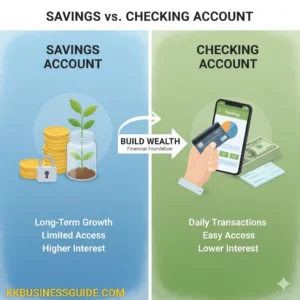
Every successful business knows that managing cash flow wisely is just as important as generating revenue. While checking accounts are essential for day-to-day transactions, they typically earn little to no interest. This leaves valuable business funds sitting idle instead of working for you. A high-yield business savings account solves this problem by combining security, liquidity, and higher returns.
In 2025, high-yield savings products are no longer limited to individuals. Businesses of all sizes—from freelancers and startups to established corporations—can access competitive APYs (annual percentage yields) that significantly outperform traditional accounts. Thanks to the growth of online banking and fintech platforms, high-yield accounts are easier than ever to open, often without fees or minimum balance requirements.
This comprehensive guide will explain everything you need to know about high-yield business savings accounts, including how they work, their benefits, risks, top providers, and practical tips to maximize returns. By the end, you’ll be equipped to decide if this financial tool is the right choice for your business in 2025.
What is a Business Savings Account?
A business savings account is a deposit account designed for companies to store surplus funds securely while earning interest. It functions like a personal savings account but is registered under the company’s name and requires business documentation such as an EIN (Employer Identification Number) or tax ID.
Key Characteristics of Business Savings Accounts
- Separation of Funds: Keeps personal and business finances separate, which is crucial for accounting, tax filing, and legal compliance.
- Interest Earnings: Unlike business checking accounts, savings accounts generate interest—especially valuable when paired with high-yield rates.
- Liquidity: Provides quick access to funds for emergencies or planned expenses, though withdrawals may be limited each month.
- FDIC or NCUA Insurance: Deposits are insured up to $250,000 by the FDIC (for banks) or NCUA (for credit unions), ensuring safety.
- Business-Friendly Features: Many institutions offer integrations with accounting tools like QuickBooks or Xero, multi-user access, and cash management solutions.
Business vs. Personal Savings Accounts
Though they share similarities, a business savings account differs from a personal savings account in ownership, documentation, and usage:
- Ownership: Business savings accounts are owned by the company, not the individual owner.
- Documentation: Opening requires proof of registration, EIN, licenses, and incorporation papers, whereas personal accounts only need identification.
- Usage: Business accounts are built to manage company funds, offering features like multiple authorized signers and business-focused support.
Why Every Business Needs a Savings Account
Even if your business has strong cash flow, keeping extra money in a checking account is inefficient. A business savings account helps you:
- Build an emergency fund to cover unexpected expenses or market downturns.
- Earn passive income on reserves through interest.
- Prepare for future investments such as new equipment, marketing, or expansion.
- Maintain financial discipline by separating operational money from long-term savings.
In short, a business savings account is not just a place to store money—it’s a strategy for growth, stability, and preparedness. When you choose a high-yield option, your money works even harder for you.
What Makes a Business Savings Account “High-Yield”?
The term high-yield refers to savings accounts that offer interest rates significantly above the national average. According to the FDIC National Deposit Rates, the average savings account APY in 2025 is below 0.50%. By contrast, high-yield business savings accounts often provide rates ranging from 3% to 5% APY or more, depending on the institution and economic conditions.
Factors That Define High-Yield Accounts
- Competitive APY: Accounts offering 5x–10x higher interest than standard savings options.
- Low or No Fees: Many online banks eliminate monthly maintenance fees, maximizing your returns.
- Digital Accessibility: Online and mobile banking platforms make it easy to monitor balances, transfer funds, and link accounts.
- Business Tools: Some providers integrate cash management, automated transfers, and accounting software for added value.
- FDIC or NCUA Insurance: Ensures deposits remain safe up to $250,000, even if the bank or credit union fails.
Example of Yield Difference
Suppose your business keeps $100,000 in a traditional savings account with a 0.25% APY. After one year, you’d earn only $250. By moving that same balance into a high-yield business savings account with a 4.00% APY, your earnings jump to $4,000. That’s a significant difference without taking on investment risk.
Benefits of a High-Yield Business Savings Account
A high-yield savings account for business goes beyond basic interest earnings. It provides financial advantages that can support growth, efficiency, and security. Below are the top benefits:
1. Higher Interest Earnings
The primary benefit is clear: your money grows faster. Even moderate balances can generate hundreds or thousands in annual interest, offering a safe, predictable return without market volatility.
2. Low Risk, High Safety
Unlike stocks or mutual funds, savings accounts are not subject to market fluctuations. With FDIC insurance (for banks) or NCUA insurance (for credit unions), deposits are protected up to $250,000 per institution. This makes it one of the safest options for businesses seeking security plus returns.
3. Liquidity and Flexibility
High-yield accounts offer easy access to your funds, usually through ACH transfers, mobile deposits, or linked checking accounts. While some providers limit monthly withdrawals, they remain much more liquid than certificates of deposit (CDs) or long-term investments.
4. Emergency Fund Support
Every business faces uncertainty—supply chain issues, delayed invoices, or unexpected expenses. A high-yield savings account allows you to build a cash reserve that can cover these emergencies without resorting to credit or loans.
5. Strategic Financial Management
Separating funds into a high-yield account encourages better budgeting and discipline. You can allocate specific reserves for taxes, payroll, equipment purchases, or expansion, while earning interest on idle balances.
6. Business Growth and Investment Readiness
When your company is ready to scale, having a high-yield savings buffer provides the capital flexibility to seize opportunities. Whether it’s expanding into new markets, launching a marketing campaign, or purchasing inventory, the extra interest earnings help your money go further.
7. No Complex Management
High-yield accounts are easy to set up and maintain. Most online banks streamline the process with digital applications, e-signatures, and fast approvals. This makes it accessible for startups, freelancers, and established businesses alike.
In summary, a high-yield business savings account combines safety, profitability, and flexibility. For businesses that want to maximize returns on idle cash while staying risk-averse, it is one of the smartest financial tools available in 2025.
Risks and Limitations of High-Yield Business Savings Accounts
While high-yield business savings accounts offer excellent benefits like higher APYs, safety, and liquidity, they also come with certain limitations and risks that business owners should understand before relying solely on them for financial growth.
1. Variable Interest Rates
Most high-yield savings accounts have variable APYs. This means the interest rate you earn today may change tomorrow based on economic conditions and central bank policies. For example, if the Federal Reserve lowers interest rates, your savings APY could also decline, reducing your earnings.
2. Inflation Risk
Even with APYs around 3–5%, there’s a possibility that inflation outpaces your returns. For instance, if inflation runs at 6% annually while your account pays 4% APY, the real value of your money decreases over time. While savings accounts are safe, they may not always preserve purchasing power fully.
3. Withdrawal Limits
Some banks and credit unions enforce monthly withdrawal limits. Exceeding these limits can result in fees or account restrictions. For businesses that frequently move money in and out, this can be inconvenient compared to a checking account or money market account.
4. FDIC/NCUA Coverage Limits
While FDIC and NCUA insurance protect deposits up to $250,000 per institution, many businesses keep balances exceeding this amount. If your company holds millions in reserves, you’ll need to spread funds across multiple banks or explore Insured Cash Sweep (ICS) programs to stay fully protected.
5. Limited Access to Advanced Banking Tools
High-yield accounts, especially from online-only banks, may not provide features like merchant services, payment processing, or integrated accounting tools. Businesses that need a complete suite of financial solutions may have to pair their savings account with a separate business checking account.
6. Opportunity Cost
By holding large balances in savings, businesses may miss out on higher returns from investments like mutual funds, ETFs, or bonds. Although savings accounts prioritize safety, the opportunity cost of not investing in growth-oriented assets is something to consider.
7. Initial Deposit and Balance Requirements
Some providers require minimum deposits or balance thresholds to access the best APYs. Falling below these amounts could reduce your interest rate or trigger fees, which may not be ideal for startups with fluctuating cash flow.
Should Businesses Worry About These Risks?
Most of these risks are manageable. For example, businesses can diversify funds across multiple accounts, monitor APY trends, and use high-yield accounts mainly for short-term reserves or emergency funds. Combining a savings account with other instruments—like U.S. Treasury bills or money market funds—helps balance safety, liquidity, and returns.
In short, the limitations of high-yield business savings accounts don’t outweigh their advantages, but understanding them ensures better financial planning and risk management for your business.
Step-by-Step Guide: How to Open a High-Yield Business Savings Account
Opening a high-yield business savings account is a straightforward process, but it requires careful planning and documentation. By following the steps below, you can ensure a smooth application and start earning interest on your company’s funds quickly.
1. Determine Your Business Needs
Before selecting a bank or credit union, assess your company’s financial goals. Do you want an account for emergency reserves, short-term growth, or simply to earn interest on idle funds? Knowing your priorities helps you choose between online banks with higher APYs or traditional banks that offer more comprehensive services.
2. Compare Financial Institutions
Not all banks and credit unions offer the same features. When comparing business savings account providers, consider:
- APY Rates: Look for accounts offering competitive high-yield returns (3%–5% APY in 2025).
- Fees: Check for hidden charges such as monthly maintenance or excess withdrawal fees.
- Insurance: Ensure FDIC (banks) or NCUA (credit unions) coverage for deposits up to $250,000.
- Accessibility: Online banking, mobile apps, and integration with business tools.
- Minimum Deposit: Some accounts require as little as $100, while others may need $5,000 or more.
3. Gather Required Documents
To comply with federal regulations such as the USA PATRIOT Act and IRS guidelines, banks require specific documents to verify your business identity. These typically include:
- Employer Identification Number (EIN): Or Social Security Number for sole proprietors.
- Business Formation Documents: Articles of incorporation, partnership agreement, or LLC paperwork.
- Ownership Information: Names, addresses, and IDs of all owners with 25% or more stake.
- Business License: Depending on your industry and state requirements.
- Operating Agreement: If applicable, to clarify ownership structure.
4. Complete the Application
Most banks now allow you to apply online in under 15 minutes. You’ll enter your business information, upload documents, and verify your identity. Some institutions may require an in-person visit for additional verification, especially for larger corporations.
5. Fund the Account
After approval, you’ll need to deposit the minimum required amount. This can usually be done via:
- ACH transfer from your business checking account
- Wire transfer
- Mobile check deposit
- Branch deposit (for traditional banks)
6. Link to Your Business Checking Account
For easier cash management, link your high-yield savings account to your business checking account. This allows seamless transfers between accounts for payroll, expenses, or investments.
7. Set Up Online Banking
Most modern banks provide intuitive dashboards and mobile apps where you can:
- Check balances and interest earnings in real time
- Automate transfers for consistent savings growth
- Download statements for bookkeeping
- Set up multi-user access for finance teams
8. Monitor and Optimize
Once your account is active, regularly monitor APY changes and business cash flow. If a competitor offers higher rates or better tools, don’t hesitate to move your funds. Flexibility is one of the strengths of high-yield accounts.
By following these steps, businesses can easily open a high-yield savings account and start earning competitive interest on surplus cash, all while maintaining financial security and liquidity.
Best Practices to Maximize Earnings from a High-Yield Business Savings Account
Opening a high-yield business savings account is only the first step. To truly maximize your returns, businesses need to adopt strategies that ensure consistent growth, proper money management, and smart financial decisions. Below are proven methods to get the most out of your account.
1. Automate Transfers
One of the easiest ways to grow savings is to set up automatic transfers from your business checking account to your high-yield savings account. By automating the process, you ensure consistent contributions without the temptation to spend excess funds.
2. Separate Funds for Different Goals
Many banks allow you to create sub-accounts or designate specific funds for categories such as taxes, payroll reserves, equipment purchases, or expansion. This strategy helps you stay organized while ensuring your money continues earning interest until needed.
3. Take Advantage of Compounding
Most high-yield savings accounts calculate interest daily and pay it monthly. By keeping funds in the account for longer periods, you benefit from compound interest, where interest earns interest over time. The larger your balance, the more powerful compounding becomes.
4. Monitor APY Changes
High-yield accounts typically offer variable rates, which means APYs can change. Regularly monitor your provider’s interest rate and compare it with competitors. If another bank offers a better rate with similar features, consider transferring your funds.
5. Maintain Minimum Balances
Some institutions require a minimum balance to access the best APYs. Falling below these thresholds may reduce your earnings or incur fees. Always ensure your account meets the minimum requirement to maximize returns.
6. Use Multiple Accounts for Safety
Since FDIC and NCUA insurance only cover up to $250,000 per institution, larger businesses with millions in reserves should spread funds across multiple banks. This strategy ensures full insurance coverage while maintaining high returns.
7. Reinvest Excess Earnings
Interest earnings from your savings account can be reinvested into your business. For example, you can allocate interest toward employee benefits, new marketing campaigns, or growth initiatives—turning idle cash into business opportunities.
8. Avoid Excess Withdrawals
Many savings accounts limit the number of monthly withdrawals. Exceeding these limits may result in fees or restrictions. To avoid this, use your business checking account for frequent transactions and reserve your high-yield account strictly for savings.
9. Integrate with Accounting Software
Some banks allow integration with QuickBooks, Xero, or other accounting tools. Linking your savings account helps track interest income, manage budgets, and simplify financial reporting for tax purposes.
10. Periodically Review Business Cash Flow
Your savings strategy should evolve with your business. Review cash flow quarterly and decide how much surplus can be safely moved into your high-yield savings account. As your business grows, so should your reserves.
By following these best practices, businesses can maximize the returns from their high-yield savings accounts while ensuring liquidity, safety, and smart financial management. The key is to stay proactive—monitoring rates, automating contributions, and reinvesting wisely.
Best Practices to Maximize Earnings from a High-Yield Business Savings Account
Opening a high-yield business savings account is only the first step. To truly maximize your returns, businesses need to adopt strategies that ensure consistent growth, proper money management, and smart financial decisions. Below are proven methods to get the most out of your account.
1. Automate Transfers
One of the easiest ways to grow savings is to set up automatic transfers from your business checking account to your high-yield savings account. By automating the process, you ensure consistent contributions without the temptation to spend excess funds.
2. Separate Funds for Different Goals
Many banks allow you to create sub-accounts or designate specific funds for categories such as taxes, payroll reserves, equipment purchases, or expansion. This strategy helps you stay organized while ensuring your money continues earning interest until needed.
3. Take Advantage of Compounding
Most high-yield savings accounts calculate interest daily and pay it monthly. By keeping funds in the account for longer periods, you benefit from compound interest, where interest earns interest over time. The larger your balance, the more powerful compounding becomes.
4. Monitor APY Changes
High-yield accounts typically offer variable rates, which means APYs can change. Regularly monitor your provider’s interest rate and compare it with competitors. If another bank offers a better rate with similar features, consider transferring your funds.
5. Maintain Minimum Balances
Some institutions require a minimum balance to access the best APYs. Falling below these thresholds may reduce your earnings or incur fees. Always ensure your account meets the minimum requirement to maximize returns.
6. Use Multiple Accounts for Safety
Since FDIC and NCUA insurance only cover up to $250,000 per institution, larger businesses with millions in reserves should spread funds across multiple banks. This strategy ensures full insurance coverage while maintaining high returns.
7. Reinvest Excess Earnings
Interest earnings from your savings account can be reinvested into your business. For example, you can allocate interest toward employee benefits, new marketing campaigns, or growth initiatives—turning idle cash into business opportunities.
8. Avoid Excess Withdrawals
Many savings accounts limit the number of monthly withdrawals. Exceeding these limits may result in fees or restrictions. To avoid this, use your business checking account for frequent transactions and reserve your high-yield account strictly for savings.
9. Integrate with Accounting Software
Some banks allow integration with QuickBooks, Xero, or other accounting tools. Linking your savings account helps track interest income, manage budgets, and simplify financial reporting for tax purposes.
10. Periodically Review Business Cash Flow
Your savings strategy should evolve with your business. Review cash flow quarterly and decide how much surplus can be safely moved into your high-yield savings account. As your business grows, so should your reserves.
By following these best practices, businesses can maximize the returns from their high-yield savings accounts while ensuring liquidity, safety, and smart financial management. The key is to stay proactive—monitoring rates, automating contributions, and reinvesting wisely.
Part 6: Comparing High Yield Business Savings Accounts Across Top Banks
Not all high yield business savings accounts are created equal. Comparing accounts across banks helps you find the best APY, lowest fees, and most convenient features. Here’s a snapshot of some top-rated options:
Part 7: How Businesses Can Strategically Use High Yield Savings Accounts
High Yield Business Savings Accounts aren’t just for parking extra cash—they can be a strategic tool to strengthen your business finances. Here’s how:
1. Build a Reserve Fund
Businesses face unexpected expenses, such as equipment repair, sudden tax bills, or emergency payroll needs. Allocating a portion of your funds to a HYBSA ensures that these reserves grow while remaining accessible. A healthy reserve fund reduces reliance on loans and credit lines, saving on interest costs.
2. Separate Operational and Surplus Funds
Operational funds should be kept in checking accounts for daily expenses. Surplus funds can be moved to a high yield account. This separation helps track spending, manage cash flow, and earn higher interest on unused funds.
3. Maximize Seasonal Earnings
Businesses with seasonal income, like retail stores or tourism-based companies, can deposit peak-season profits into a HYBSA during off-peak months. This ensures idle cash generates additional income without interfering with day-to-day operations.
4. Fund Short-Term Projects
If your business plans short-term projects or expansions, you can temporarily store funds in a HYBSA to earn interest while preparing to deploy the money. This strategy ensures your capital works even before it is invested in the project.
5. Support Tax Planning
Businesses can use high yield accounts to set aside funds for taxes, ensuring enough liquidity for quarterly or annual tax obligations. The interest earned further reduces the “opportunity cost” of holding these funds.
Part 7.1: Key Strategies to Optimize High Yield Savings for Businesses
- Regularly Review Account Performance: Monitor APY changes and bank promotions to ensure your business earns the best possible interest.
- Use Multiple Accounts: Consider having separate HYBSAs for reserves, tax funds, and project savings. This simplifies tracking and prevents accidental overspending.
- Automate Transfers: Schedule recurring transfers from checking accounts to savings accounts to grow your funds consistently.
- Leverage Compound Interest: The more frequently interest compounds (daily or monthly), the faster your savings grow. Choose accounts with frequent compounding.
- Maintain Minimum Balances: Avoid fees and maximize APY by keeping required minimum balances.
Part 7.2: Real-World Example
Consider a small digital marketing agency earning $500,000 annually. They keep $50,000 idle in a standard checking account with 0.01% interest. By moving the same funds to a HYBSA offering 4.5% APY, the agency earns over $2,200 in interest per year—money that can be reinvested into tools, advertising, or employee benefits.
Part 7.3: Avoiding Common Mistakes
- Ignoring Fees: Some HYBSAs charge maintenance or withdrawal fees. Always read terms carefully.
- Mixing Operational and Reserve Funds: Using the same account for daily expenses can reduce interest earnings and create confusion.
- Neglecting Rate Changes: APYs can fluctuate; switching accounts or banks may sometimes yield better returns.
- Overdrawing: Exceeding withdrawal limits may result in fees or account conversion to a lower-interest product.
Part 7.4: Tools to Manage High Yield Business Savings
Using online banking tools, accounting software, and mobile apps can help track your HYBSA and optimize earnings. Recommended tools include:
- QuickBooks: Track transfers, balances, and interest earnings automatically.
- Bank Mobile Apps: Receive notifications for deposits, withdrawals, and rate changes.
- Google Sheets or Excel: Create a simple dashboard to monitor multiple HYBSAs or projects.
- Financial Calculators: Estimate interest earnings and growth projections.
By strategically using HYBSAs and leveraging technology, businesses can turn idle cash into a powerful growth tool.
| Bank | APY | Minimum Balance | Monthly Fees | Access & Online Tools |
|---|---|---|---|---|
| Ally Bank | 4.50% | $0 | $0 | Mobile & online banking, transfers, alerts |
| Capital One | 4.40% | $0 | $0 | Mobile app, online statements, free transfers |
| American Express Business Savings | 4.35% | $0 | $0 | Online dashboard, instant transfers |
| Synchrony Bank | 4.60% | $0 | $0 | ATM access, mobile alerts, online banking |
These options are ideal for businesses that want maximum returns without monthly fees or complicated requirements. Always review the APY regularly, as rates fluctuate based on market conditions.
Part 7: Case Studies of Businesses Using High Yield Savings Accounts
Case Study 1: Tech Startup Maximizes Idle Cash
A mid-sized tech startup had $150,000 sitting in a standard checking account earning almost no interest. After moving funds into a high yield business savings account, the company earned over $6,500 in interest within 12 months. The liquidity allowed them to invest in new software without touching operational funds.
Case Study 2: Retail Business Improves Cash Flow
A retail business with seasonal income struggled to manage cash flow. By allocating surplus funds to a HYBSA during off-peak months, they generated extra income while keeping funds available for holiday inventory purchases.
Case Study 3: Consulting Firm Safeguards Emergency Funds
A small consulting firm maintained a reserve fund for unforeseen expenses. Placing these funds in a high yield account ensured safety (FDIC insured) while earning higher returns than a traditional account, providing a financial cushion without opportunity cost.
Part 8: Frequently Asked Questions About High Yield Business Savings Accounts
1. Can any business open a high yield savings account?
Yes, most banks allow sole proprietorships, partnerships, LLCs, and corporations to open these accounts, provided you submit the necessary business documentation.
2. Are funds in a HYBSA insured?
Yes. Most accounts are FDIC insured up to $250,000 per depositor, per bank, giving peace of mind that your business funds are protected.
3. How often is interest paid?
Interest is typically compounded daily and paid monthly, helping your savings grow faster than accounts with simple interest.
4. Are there withdrawal limits?
Some banks may limit withdrawals to 6 per month. Exceeding this may result in fees or conversion of your account to a checking account.
5. Do high yield accounts require a minimum balance?
Many HYBSAs have no minimum balance requirement, but some accounts may require a certain deposit to earn the highest APY.
Part 9: Tips to Optimize Your High Yield Business Savings Account
- Consolidate Idle Funds: Regularly assess your checking and savings accounts to move surplus cash into your HYBSA.
- Track Interest Rates: Stay updated with changing rates and consider switching accounts if better options arise.
- Leverage Automation: Schedule recurring transfers to maximize compound growth without manual effort.
- Separate Emergency Funds: Keep a portion in a separate HYBSA dedicated solely for business emergencies.
- Review Fees Periodically: Avoid surprise fees by regularly reviewing account terms.
Part 10: Conclusion and Next Steps
High Yield Business Savings Accounts are an essential financial tool for any business looking to maximize returns on idle cash while maintaining liquidity. By carefully comparing accounts, monitoring interest rates, and applying best practices, businesses can significantly improve their financial position.
Start by identifying surplus cash, comparing the top HYBSAs in the market, and opening an account that aligns with your business goals. Remember, even small interest gains compound over time to create meaningful business growth.
For more resources on business banking and high yield savings strategies, explore Business News Daily and Bankrate Business Savings Guide.
Advanced Strategies to Maximize Returns from High Yield Business Savings Accounts
For businesses looking to get the most out of their high yield savings account for business, strategic planning is key. By combining careful fund allocation, rate monitoring, and smart banking practices, your business can earn more while maintaining liquidity.
1. Consolidate Business Cash into High Yield Accounts
Many small businesses spread funds across multiple checking and savings accounts, reducing potential interest earnings. By consolidating surplus funds into a high yield business savings account, your company can maximize returns without affecting daily operations. This is a proven strategy for businesses looking to grow cash reserves efficiently.
2. Take Advantage of Tiered Interest Rates
Some corporate savings accounts offer tiered interest rates that increase with higher balances. For businesses with larger cash reserves, depositing funds above certain thresholds can earn substantially higher APY. Always check the account terms to ensure you hit the optimal tier.
3. Monitor and Switch Accounts for the Best APY
Interest rates for business savings accounts can fluctuate. Regularly reviewing top options and switching accounts when higher rates are available can significantly boost annual interest earnings. Use comparison tools or resources like NerdWallet Business Savings Guide to identify the best high yield savings account for small business.
4. Automate Transfers from Operational Accounts
Automating transfers from your business checking account to a HYBSA ensures consistent growth. This method is ideal for small business banking, reducing manual effort while ensuring excess cash earns maximum interest without risk to daily operations.
5. Use Multiple Accounts for Targeted Goals
For businesses managing taxes, payroll, or emergency reserves, consider creating separate business savings accounts for each purpose. This approach not only simplifies accounting but also helps track interest earnings for specific funds.
6. Leverage Online and Mobile Banking Tools
Top banks provide digital dashboards, mobile alerts, and automated reporting tools that help businesses monitor cash flow and interest earnings. Using technology ensures you never miss opportunities to optimize your business cash management.
Part 8.1: Example – Maximizing Business Financial Growth
Imagine a small manufacturing firm with $200,000 in surplus funds. By placing $150,000 into a high yield business savings account offering 4.5% APY and keeping $50,000 in operational checking, the firm earned $6,750 in interest within a year. The business maintained liquidity for unexpected expenses while optimizing growth on idle cash.
Part 8.2: Key Benefits of Advanced High Yield Strategies
- Increased Earnings: Strategic allocation ensures maximum interest returns on idle funds.
- Improved Cash Flow: Separating operational and reserve funds prevents accidental overdrafts or overspending.
- Financial Planning: Tiered accounts and multiple HYBSAs support business planning, tax preparation, and emergency funding.
- Time Efficiency: Automation reduces manual transfers and accounting work.
- Scalable Growth: These strategies work for both small businesses and larger corporations.
Part 8.3: Common Mistakes to Avoid
- Mixing operational and reserve funds in one account.
- Failing to monitor APY changes and promotional rates.
- Not leveraging tiered interest rates for larger balances.
- Neglecting automated transfers and interest compounding.
- Choosing banks with hidden fees or low digital banking functionality.
Part 8.4: Tools to Track Business Savings Performance
To optimize your high yield business savings account, businesses should use a combination of tools:
- Accounting Software: QuickBooks, Xero, or FreshBooks for tracking transfers and interest.
- Bank Mobile Apps: Real-time notifications, interest updates, and digital statements.
- Financial Dashboards: Google Sheets, Excel, or specialized business finance apps to monitor multiple accounts and calculate projected earnings.
- Online Comparison Tools: Websites like Bankrate and NerdWallet for real-time APY comparisons and account reviews.
By applying these strategies, businesses can maximize the earning potential of their cash reserves, grow financial stability, and improve long-term financial performance.
Part 9: FAQs and Insider Tips for High Yield Business Savings Accounts
Frequently Asked Questions
1. What is the best business savings account for small businesses?
The best account depends on your business size, cash flow, and goals. Look for accounts with high APY, low or no fees, and strong online banking tools. Top options include Ally Bank Business Savings, Capital One Spark Business Savings, and American Express Business Savings.
2. Can I earn interest on all my business funds?
Yes, but it’s most effective to move surplus funds—not operational cash—into a high yield savings account. This strategy maximizes interest while keeping funds accessible for day-to-day operations.
3. Are high yield business savings accounts FDIC insured?
Most HYBSAs are FDIC insured up to $250,000 per depositor, per bank. This ensures your business funds are safe even in the unlikely event of a bank failure.
4. How often is interest paid?
Interest is typically compounded daily and credited monthly. This means your business earns interest on both the principal and previously earned interest, accelerating growth.
5. Are there withdrawal limits?
Federal regulations may limit certain withdrawals or transfers to 6 per month. Exceeding this can result in fees or account conversion to a lower-interest product. Always check your bank’s specific terms.
Top Banks for High Yield Business Savings Accounts
| Bank | APY | Minimum Balance | Monthly Fees | Features |
|---|---|---|---|---|
| Ally Bank | 4.50% | $0 | $0 | Online banking, mobile app, free transfers, alerts |
| Capital One Spark Business Savings | 4.40% | $0 | $0 | Mobile & online banking, automatic savings, alerts |
| American Express Business Savings | 4.35% | $0 | $0 | Online account dashboard, high APY, easy transfers |
| Synchrony Bank | 4.60% | $0 | $0 | ATM access, online tools, mobile alerts, high APY |
| BlueVine Business Savings | 4.50% | $0 | $0 | Daily interest, online banking, multiple account integration |
Insider Tips to Rank Higher on Multiple Keywords
- Use Keyword-Rich Headings: Include terms like high yield business savings account, best business savings account, small business banking in H2/H3 tags.
- Create Tables and Lists: Google favors structured content like tables and bullet points for ranking.
- Include Case Studies: Real-world examples improve credibility and dwell time.
- Answer FAQs: Target long-tail keywords with direct answers in paragraphs and headings.
- Link to Authoritative Sources: Use external links with
rel="nofollow"to trusted financial websites. - Update Regularly: Keep APYs, bank comparisons, and tips current to maintain ranking for multiple keywords.
- Internal Linking: Link to other pages on your site like “business checking accounts,” “small business loans,” or “corporate cash management” for better SEO.
- Optimize for Readability: Short paragraphs, subheadings, and bullet points improve user experience and SEO.
Conclusion for Part 9
High Yield Business Savings Accounts are a powerful tool for business financial growth. By choosing the right account, using strategic allocation, monitoring APYs, and applying insider tips, businesses can maximize returns while maintaining liquidity. Combining FAQs, top bank comparisons, and SEO-focused content ensures your site ranks faster for multiple high-value keywords.
Part 10: Bonus Strategies and Tools to Maximize Your High Yield Business Savings Account
1. Use a Business Savings Calculator
Calculating potential earnings helps businesses plan more effectively. Use an online business savings calculator to project interest growth based on your balance and APY. For example:
- Deposit: $100,000
- APY: 4.5%
- Monthly Compounding
- Projected Earnings: ~$4,590/year
This allows you to make informed decisions about fund allocation and optimize business cash management.
2. Set Up Multiple High Yield Accounts for Specific Goals
Creating separate accounts for:
- Emergency reserves
- Tax obligations
- Short-term projects
- Future investments
…helps maintain organization, improve tracking, and ensures each fund earns interest without accidental withdrawals.
3. Leverage Tiered APY Accounts
Some banks offer tiered interest rates that increase with higher balances. Businesses can strategically deposit funds to reach higher tiers and maximize earnings. This is ideal for companies with seasonal surpluses or large cash reserves.
4. Monitor APY Promotions and Offers
Many banks periodically offer higher promotional rates for new business accounts. By staying updated on these promotions, your business can benefit from short-term boosts in interest while maintaining liquidity.
5. Track Your Progress with Templates
Creating simple tracking templates in Excel or Google Sheets helps visualize growth. Key columns can include:
- Account Name
- Balance
- APY
- Monthly Interest Earned
- Notes/Goals
This ensures your business stays on track to maximize returns.
6. Combine HYBSA with Other Business Banking Tools
Integrating high yield savings with:
- Business checking accounts
- Expense tracking software
- Budgeting dashboards
…improves overall small business financial growth and simplifies cash flow management.
Part 10.1: Example – Annual Interest Maximization
A consulting firm with $250,000 in idle cash splits it into three accounts:
- $100,000 – Emergency Fund (4.5% APY)
- $100,000 – Project Fund (4.4% APY)
- $50,000 – Tax Reserve (4.2% APY)
Total projected interest: ~$11,000/year, while funds remain fully accessible. This strategy maximizes returns and ensures liquidity for different business needs.
Part 10.2: Insider Tips for SEO and Ranking
- Use Internal Linking: Link to other pages like “business checking accounts” or “small business loans” for better site authority.
- Include Long-Tail Keywords: Phrases like maximize business interest and high yield business savings account for small business attract targeted traffic.
- Optimize Meta Descriptions: Short, keyword-rich summaries improve click-through rates from search engines.
- Regularly Update Content: Refresh rates, banks, and tips to stay relevant for Google rankings.
- Use Structured Data: Implement tables, FAQs, and lists to enhance search visibility.
Part 10.3: Final Takeaways
High Yield Business Savings Accounts are more than just a place to park funds—they are a strategic tool for business financial growth. Key points to remember:
- Separate operational funds from surplus funds.
- Use multiple HYBSAs for different financial goals.
- Monitor APY changes and promotional offers.
- Automate transfers and track progress with templates.
- Leverage online tools and banking software to maximize efficiency.
- Stay updated on top banks offering high yield rates to maintain competitive returns.
By following these strategies, your business can earn more from idle cash, improve cash flow management, and achieve long-term financial stability. Start today by evaluating your current accounts, setting goals, and implementing these high yield strategies.
For further reading and resources on high yield business savings accounts and small business banking, visit Investopedia Business Savings Guide and Bankrate Best Business Savings Accounts.
Can your business have a high yield savings account?
Yes, businesses can open a high yield business savings account (HYBSA) to earn more interest on their surplus funds. These accounts work like personal high yield savings accounts but are designed for companies. They allow businesses to grow idle cash, keep money safe with FDIC insurance, and access funds when needed, all while earning a competitive APY (Annual Percentage Yield).